Fifteen years ago, French gin was almost a niche product. By 2026, it had established itself as one of the most dynamic segments of the French spirits industry, alongside French whisky. A look back at the figures and trends of a market undergoing a renaissance.
From a niche segment to a pillar of the spirits industry
The gin market in France has experienced a true renaissance in recent years, evolving from a craft curiosity to a fully-fledged category within the French spirits industry. This momentum has been sustained despite inflation, with a continuous increase in the number of artisanal distilleries dedicated to gin production.
This growth is based on a deliberate differentiation strategy: French distilleries focus on quality, innovation and the integration of unique local botanical ingredients, rather than competing in volume against historical international brands (Bombay Sapphire, Hendrick's, Tanqueray…).
A trade surplus and an export engine: the United States
French gin generates a trade surplus of approximately €20 million. The United States is the leading export market for French gin, accounting for nearly 20% of exports. The United Kingdom and the Scandinavian countries complete the top three export markets for French gin.
This export momentum positions French gin, alongside French whisky, among the most dynamic growth drivers identified for the entire spirits sector. This is a strategic advantage, especially as cognac, the main historical export, is seeing its sales decline due to trade tensions with the United States and China.
Growth driven by cocktail culture and young adults
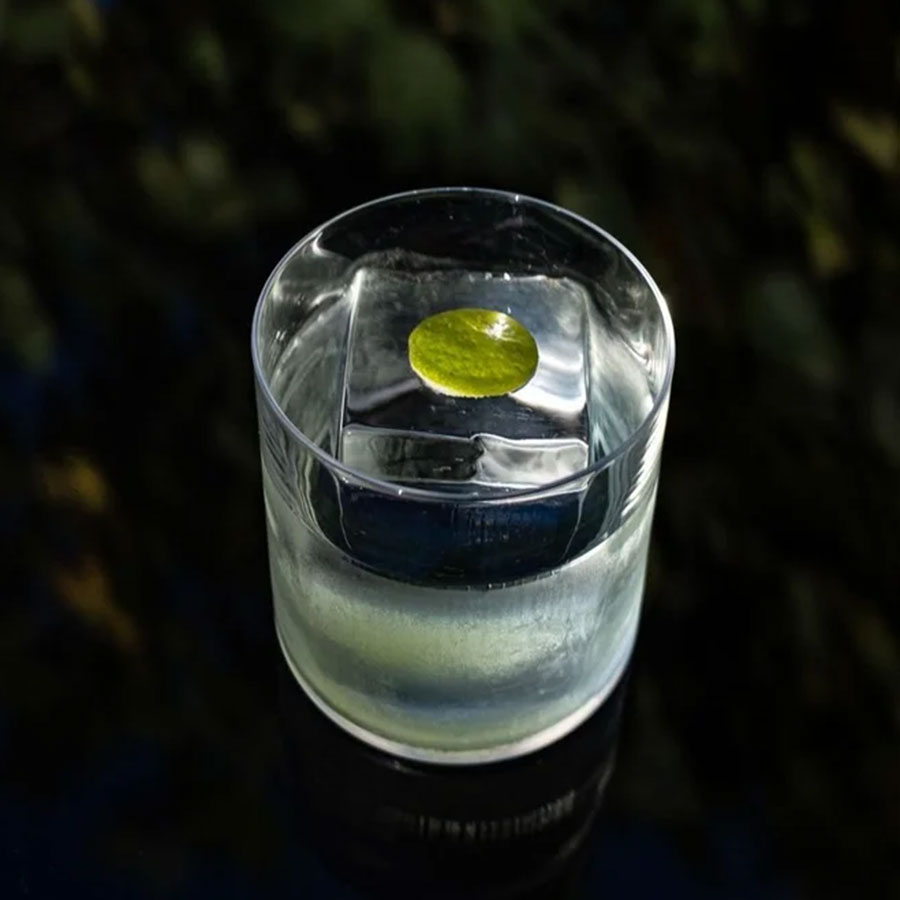
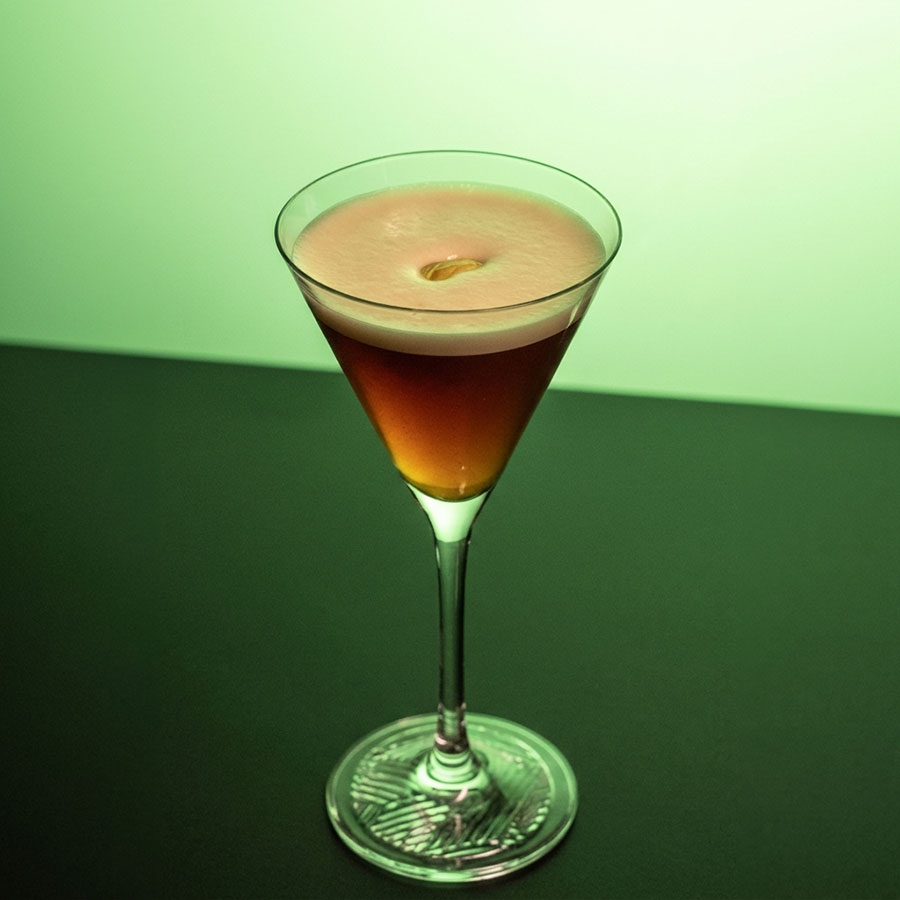
In terms of consumption, gin has gained popularity in France, particularly among young adults. This growth is largely explained by gin's versatility in cocktails (gin and tonic, but also a wide range of more elaborate creations), combined with a growing consumer awareness of artisanal and local products.
Globally, the resurgence of cocktail culture, particularly in urban areas, is identified as one of the main drivers of gin consumption, with bars and restaurants playing a key role in promoting new flavors and innovative recipes.
The risk of saturation: the lesson of the British market
The gin market, however, is not immune to the risk of saturation. In the United Kingdom, a historically very mature market in this category, a phenomenon of «gin fatigue» is already emerging: consumer weariness with the proliferation of flavored gins has resulted in declining sales in this specific segment. This observation is prompting British brands to refocus their offerings on quality and authenticity rather than simply increasing the number of products.
This precedent is a warning sign for the French market: with more than 350 artisanal distilleries in operation in 2026 (a number multiplied by 7 in fifteen years), part of the gin production could, in the long term, face the same phenomenon of saturation, particularly in the segment of flavored gins for the general public.
Gin, a driver of innovation for the entire industry
Gin is also identified as one of the most active segments in terms of product innovation within the French spirits industry, with several structuring trends observed in 2026:
– Reducing the alcohol content, Continuing the No/Low trend: in France, 12.5% of spirits revenue already came from alcohol-free or low-alcohol products by 2024. Some long-established gin brands, such as Tanqueray 0.0, now account for up to 20% of the volume sold under their brand.
– Environmental commitment, with investments in reducing the carbon footprint of production (water, energy, packaging), a growing concern for all spirits houses, including in the gin segment.
– The structuring of the upstream sector, with an increasingly local supply of botanical ingredients, a strong differentiating factor for French artisanal distilleries in the face of the volumes of large international brands.
Key takeaways about the French gin market in 2026
– French gin has gone from a niche segment to a recognized pillar of the French spirits industry.
– It generates a trade surplus of around 20 million euros, driven in particular by the United States (around 20% of exports), the United Kingdom and the Scandinavian countries.
– Together with French whisky, it constitutes one of the main drivers of export growth for the sector, in a context of cognac retreating to its historical markets.
– The risk of saturation observed in mature markets such as the United Kingdom («gin fatigue») calls for vigilance for French producers, particularly in the flavored segment.
Sources: Businesscoot, «The Gin Market – France» (market research, 2025) / Avelor Spirits, «The French spirits market in 2026: key figures and trends» / Into the Minds, «Spirits Market: Analysis of a Sector Under Pressure» (April 2026) / Accio, «Gin Market Trends in 2025»
 Economy
 Interviews
 Books
 Gastronomy
 Glossary