Economy
 Interviews
 Books
 Gastronomy
 Glossary

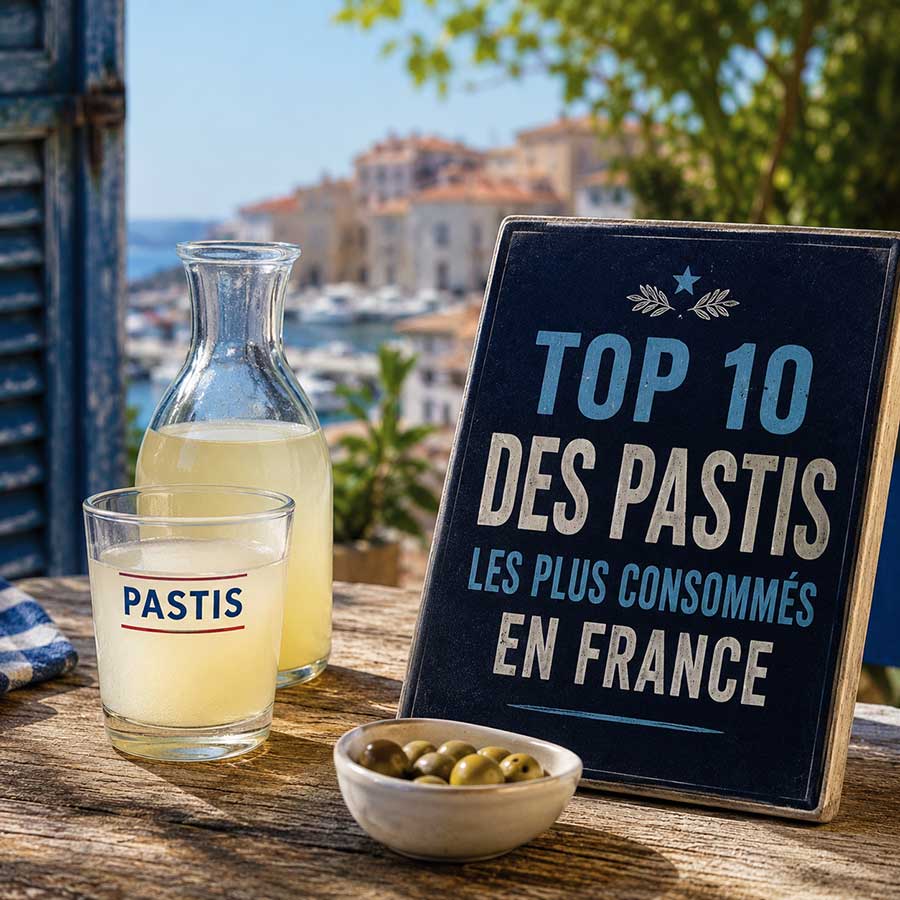
Between the great historical industrial houses and the revival of artisanal pastis, not forgetting a surprise straight from the Pacific, here is a selection of the most consumed pastis in France.
Ricard, the pastis from Marseille, the historical reference
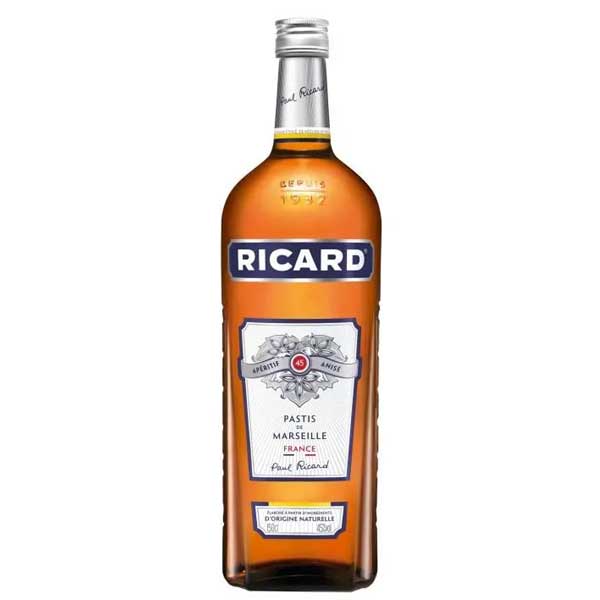
It's impossible not to start with it. Created by Paul Ricard in 1932, it's the founding pastis, the one that gave its name to the entire genre in the collective imagination. Its recipe, kept secret, relies on an infusion of Mediterranean herbs (including saffron) which gives it a more herbaceous profile and a distinctive orange-yellow color.
Pastis 51, the best-selling in France
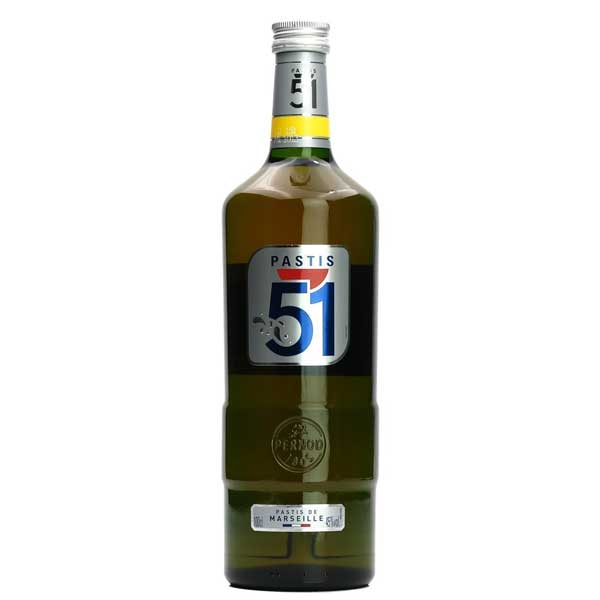
Launched by Pernod in 1951 to compete with Ricard, «51» is now the most consumed pastis in France. Its profile, more straightforward and directly focused on star anise, appeals for its simplicity and excellent value for money on a daily basis.
Pernod, the anise-flavored ancestor
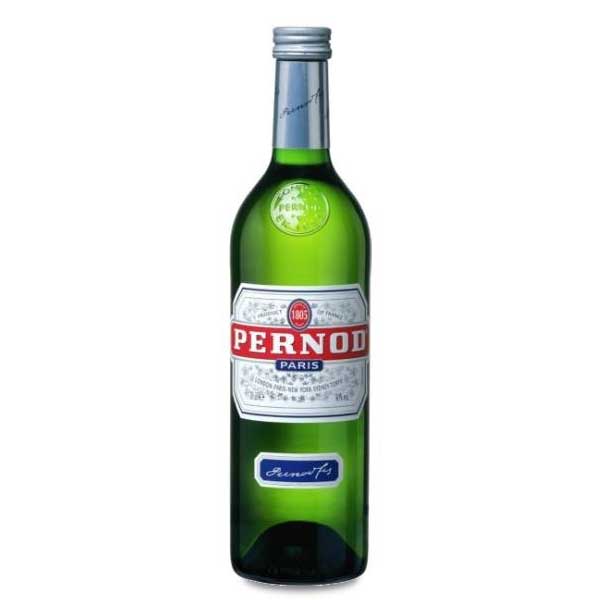
As the direct heir to Anis Pernod, registered in 1918, even before the invention of the word «pastis», Pernod remains a historical reference in the genre, with an aromatic identity that is a little sweeter and less marked by pure anise than its competitors.
Henri Bardouin, the pioneer of high-end artisanal pastis
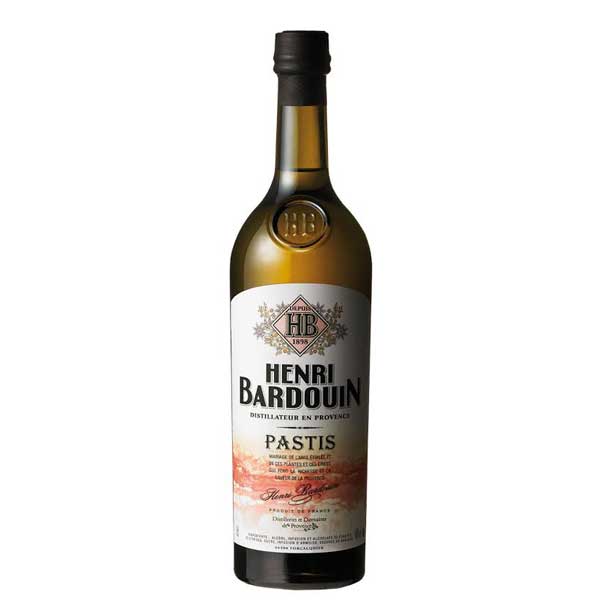
Produced by Distilleries et Domaines de Provence in Forcalquier, in the Alpes-de-Haute-Provence region, this «Pastis Grand Cru» is composed of more than 65 plants and spices, harvested locally on the Mourres plateau or imported from around the world (star anise from China, licorice from the Middle East, cardamom from the Indian Ocean, etc.). Considered a pioneer in the premium segment, it has won several gold medals at the Concours Général Agricole in Paris.
Casanis, the Marseilles pastis with its rounded shape
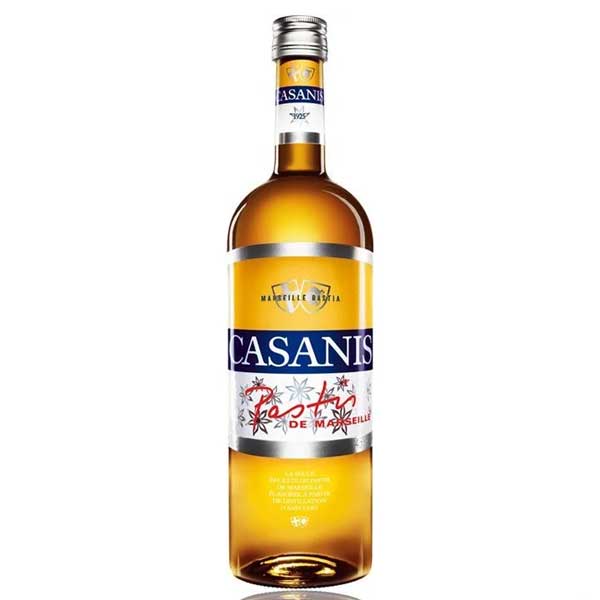
Another Marseille institution, produced in the same distillery as Duval, Casanis is distinguished by a softer and rounder profile, appreciated by palates less accustomed to pronounced aniseed bitterness.
Duval, the Marseilles tradition
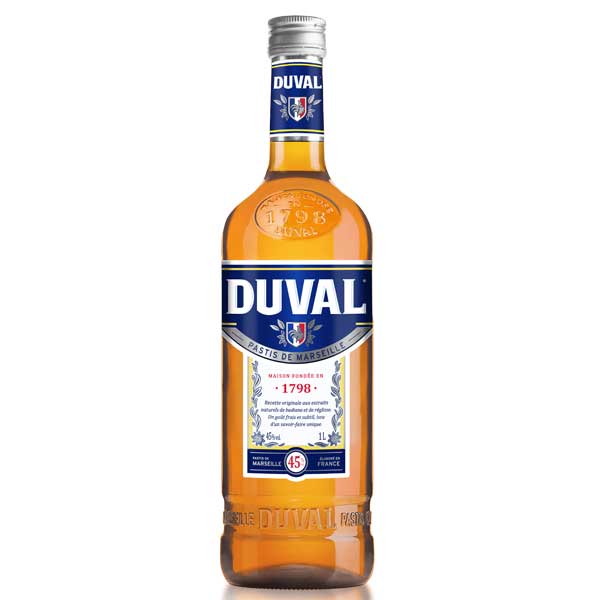
An iconic brand of Marseille, Duval perpetuates a traditional recipe and remains a staple in the bars of the South, alongside Casanis.
Janot Distillery, the know-how of Aubagne
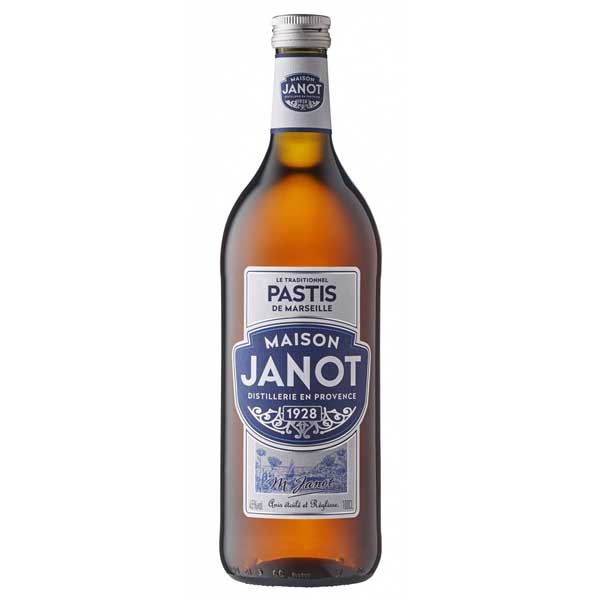
Located in Aubagne, the Janot distillery produces several pastis in a more artisanal way, claiming a strong local connection and Provençal know-how passed down from generation to generation.
Shepherd, the white and the yellow
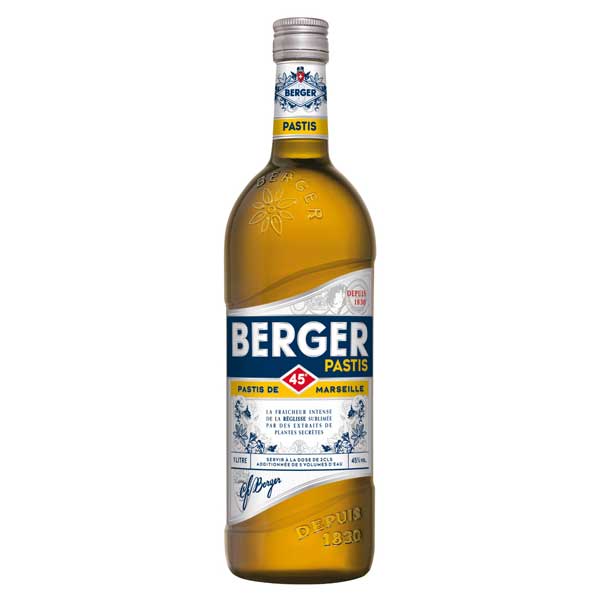
Less known to the general public but well established in the landscape of French aniseed liqueurs, the Berger company offers two versions of its pastis, a white and a yellow, each with its own aromatic identity.
12/12, the pastis of Saint-Tropez
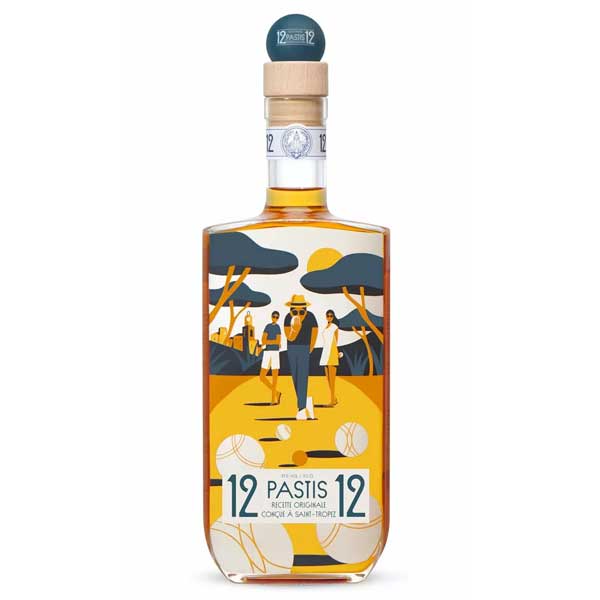
Born from a group of childhood friends from Saint-Tropez who were pétanque enthusiasts, this recent brand is reviving a local tradition that predates Pastis 51, with a maceration of plants hand-picked in the Gulf of Saint-Tropez (fig, myrtle, thyme) and a touch of amaretto as a nod to the Italian community of the village.
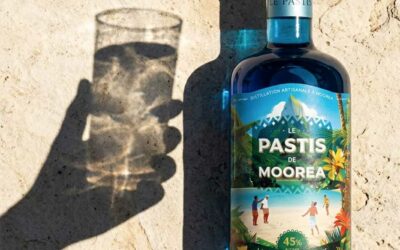
Tahitian Pastis (Va'eva'e distillery), the Polynesian pastis hailed as the best in the world
The real surprise in this ranking comes from French Polynesia. Produced by the Va'eva'e distillery, located on the island of Taha'a, this 100% Polynesian creation caused a sensation in June 2026 by being elected best pastis in the world at the World Drinks Awards in London, ahead of several references from the South of France.
Its unique characteristic: a base of organic sugarcane alcohol (so, technically, similar to rhum agricole), infused with star anise, fennel, green anise, a touch of licorice, and a hint of local cinnamon. Since aniseed plants don't grow naturally in the archipelago, they are imported and then redistilled locally. Its creator, Olivier Duret, claims to have gone through around 80 trials before arriving at the final recipe. Produced in limited quantities (approximately 1,500 bottles per year) and sold only in French Polynesia, Tahitian Pastis is not exported, but its international acclaim has brought to light a whole aspect of Polynesian artisanal distillation, previously unknown outside the Pacific.
How to properly enjoy your pastis
Traditionally, pastis is served very diluted: about 2 cl of pastis to approximately 10 cl of chilled water, a ratio of roughly 1 to 5. A more generous measure is sometimes called «102» or, in triple measure, «153». The water should always be added after the pastis, never the other way around, in order to clearly observe the cloudiness gradually forming in the glass.