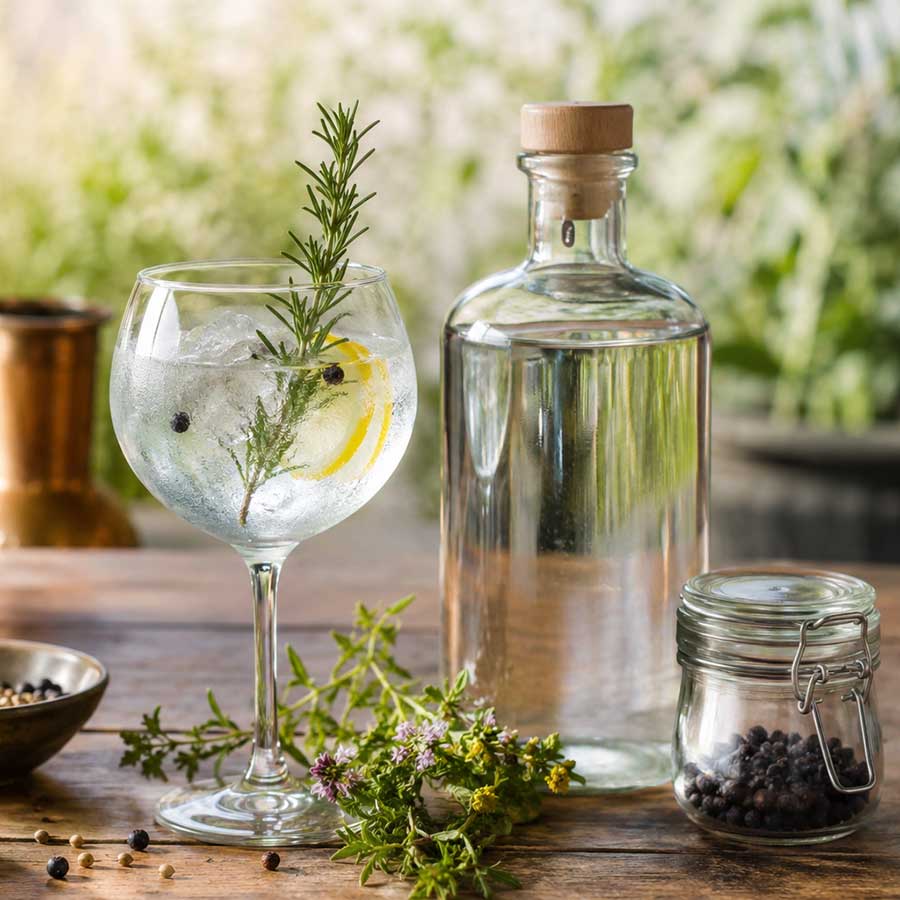
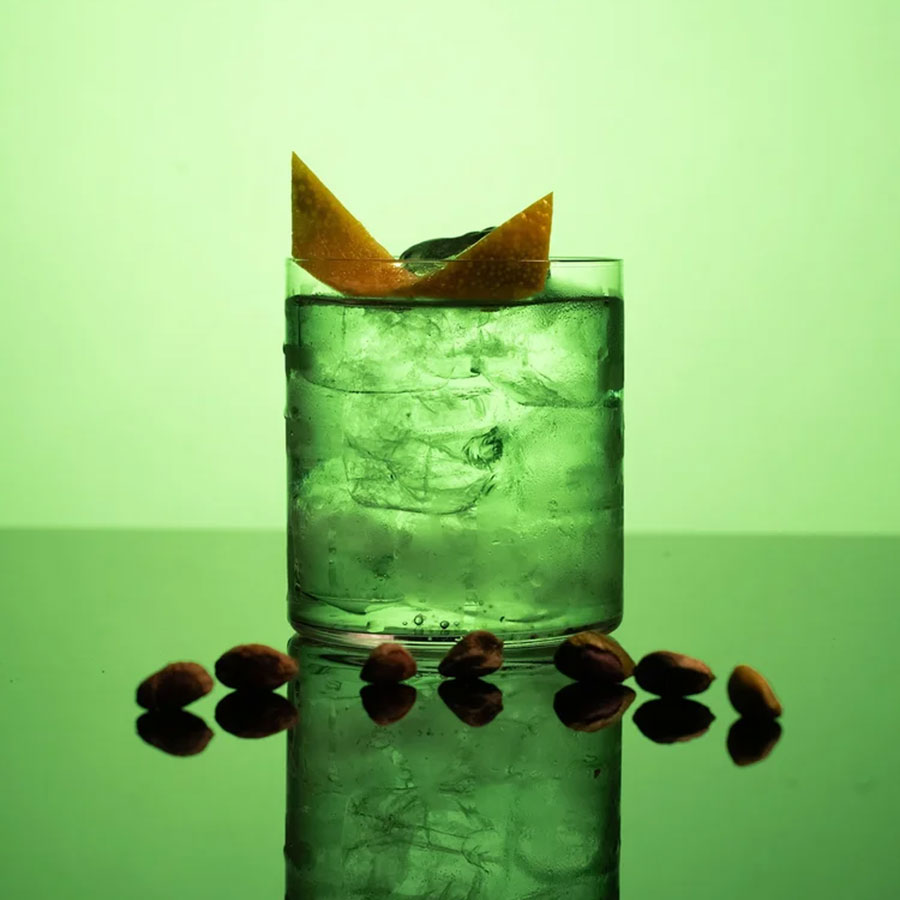
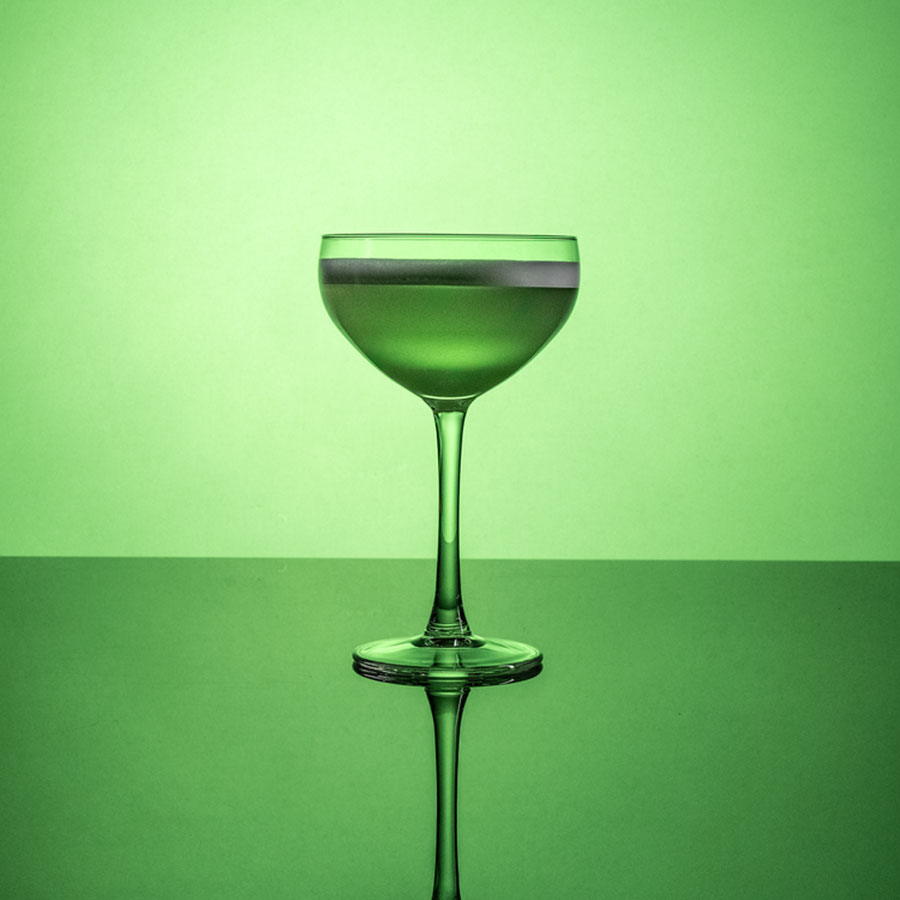
In the collective imagination, gin is simply a dry spirit, flavored with juniper berries and served as a gin and tonic. The reality is much richer: several styles coexist, stemming from different histories and production methods. Understanding them helps in choosing the right gin for your intended use (cocktail, tasting, food and drink pairing) and to understand the evolution of a spirit that is several centuries old.
What the regulations say
In the European Union, Regulation 2019/787 distinguishes three categories: gin, obtained by simply flavoring alcohol of agricultural origin with juniper berries; distilled gin, whose flavors come from distillation with botanicals; and London gin, a stricter form of distilled gin. In all cases, the minimum alcohol content is 37.5% ABV, and the juniper flavor must remain predominant. The other style designations discussed below (Old Tom, Navy Strength, Contemporary) are common usages, not legal categories.
London Dry: the historical benchmark
Despite its name, London Dry isn't necessarily produced in London: it's a regulated production method. The agricultural spirit is redistilled with natural botanicals, without any added flavoring after distillation, and sweetening is virtually prohibited. In Europe, the legal term is «London gin,» which can be followed by «dry.» Since 2024, barrel-aged gin can no longer use this designation on the European market.
The result is a dry, crisp gin, dominated by juniper, with hints of citrus and spice depending on the recipe. It's one of the most popular styles, equally at home in a Martini or a Gin and Tonic.
Old Tom: the missing link
Historically situated between Dutch jenever and modern London Dry, Old Tom is a slightly sweet gin, which lacks a legal definition. Sugar was once used to sweeten spirits of varying quality. Having fallen out of favor in the 20th century, it has made a comeback with classic mixology: the Tom Collins or the Martinez achieve a smoother balance when made with Old Tom than with London Dry.
The Navy Strength: Power as a signature
Navy Strength is defined by its alcohol content, generally 57% ABV or higher, compared to 40-47% for most gins. It's not a legal category: the 57% ABV threshold (approximately 100 proof in the UK) is a convention. Its name refers to the Royal Navy and a legend that, at this strength, gunpowder moistened with alcohol could still ignite.
Beyond the anecdote, this degree gives an aromatic intensity that resists the powerful ingredients of cocktails.
Contemporary Gin (or New Western Dry): Aromatic freedom
Born with the rise of micro-distilleries in the 2000s, Contemporary Gin allows for a greater use of other botanicals: citrus fruits, flowers, spices, herbs, but also tea, seaweed, or exotic fruits. Juniper, however, must remain the dominant ingredient for the drink to be called gin.
This style, without its own legal definition, largely explains the proliferation of niche gins, each seeking a terroir identity or a signature ingredient.
Sloe gin: a gin-based liqueur
Sloe gin is made by macerating wild sloes in gin. Legally, it's a liqueur: sweeter and less alcoholic than gin (which must have at least 25% ABV). Its rich, flavorful character makes it delicious neat, on the rocks, or in autumn cocktails.
Each style is suited to a specific use: London Dry for a classic gin and tonic or Martini, Old Tom for a vintage cocktail, Navy Strength for a robust base, and Contemporary Gin for an aromatic discovery. This diversity reflects a spirit that originated as a juniper-based remedy and has continuously evolved to its current status as a bar staple.
 Economy
 Interviews
 Books
 Gastronomy
 Glossary